

Thursday 5 November 2026

Hello, Preston homeowner!

If you are asking, “How much is my house worth?”, start with evidence rather than guesswork. A realistic valuation helps you plan your next move, set a sensible asking price and avoid unnecessary delays.
This guide explains how to get an accurate valuation in 2026, why online estimates can be unreliable and what a local estate agent will assess before recommending a price.

Why online house estimates often fall short

Online valuation tools are useful for an initial indication. They can help you understand broad price patterns and compare similar property types.

However, they cannot see your home in person.

Most automated estimates rely on information such as:

  • Previous recorded sales
  • Property type
  • Number of bedrooms
  • Postcode-level trends
  • General market movement
  • Broad details from public records

They usually cannot assess the features that make your home different from the next property.

An online tool may not know that you have:

  • Extended the kitchen
  • Converted the loft
  • Replaced the roof
  • Installed a new bathroom
  • Added off-road parking
  • Improved the garden
  • Reduced the lease length
  • Developed damp or structural issues
  • A particularly good or poor outlook
  • Heavy traffic or noise nearby

The result is a starting point, not a professional valuation.

Use online estimates to form questions. Then ask a local agent to inspect your property and explain the evidence behind their recommendation.

What does a Preston estate agent look at?

A good valuation is not based on one feature. It combines several factors.

1. Location and micro-location

Preston is not one single property market. Values can vary between neighbourhoods, streets and even sides of the same road.

An agent will consider:

  • The specific location
  • Nearby schools and amenities
  • Access to transport links
  • Local parks and open spaces
  • Parking availability
  • Road noise and traffic
  • Views and surrounding development
  • The condition of neighbouring properties
  • Demand from local buyers

Areas such as Cottam, Fulwood, Ashton and Penwortham attract different types of buyers and offer different styles of housing. A property close to a popular school or open space may appeal to a different market from one close to the city centre or a major transport route.

Use local knowledge to understand how buyers view your exact location. A broad postcode estimate cannot provide that level of detail.

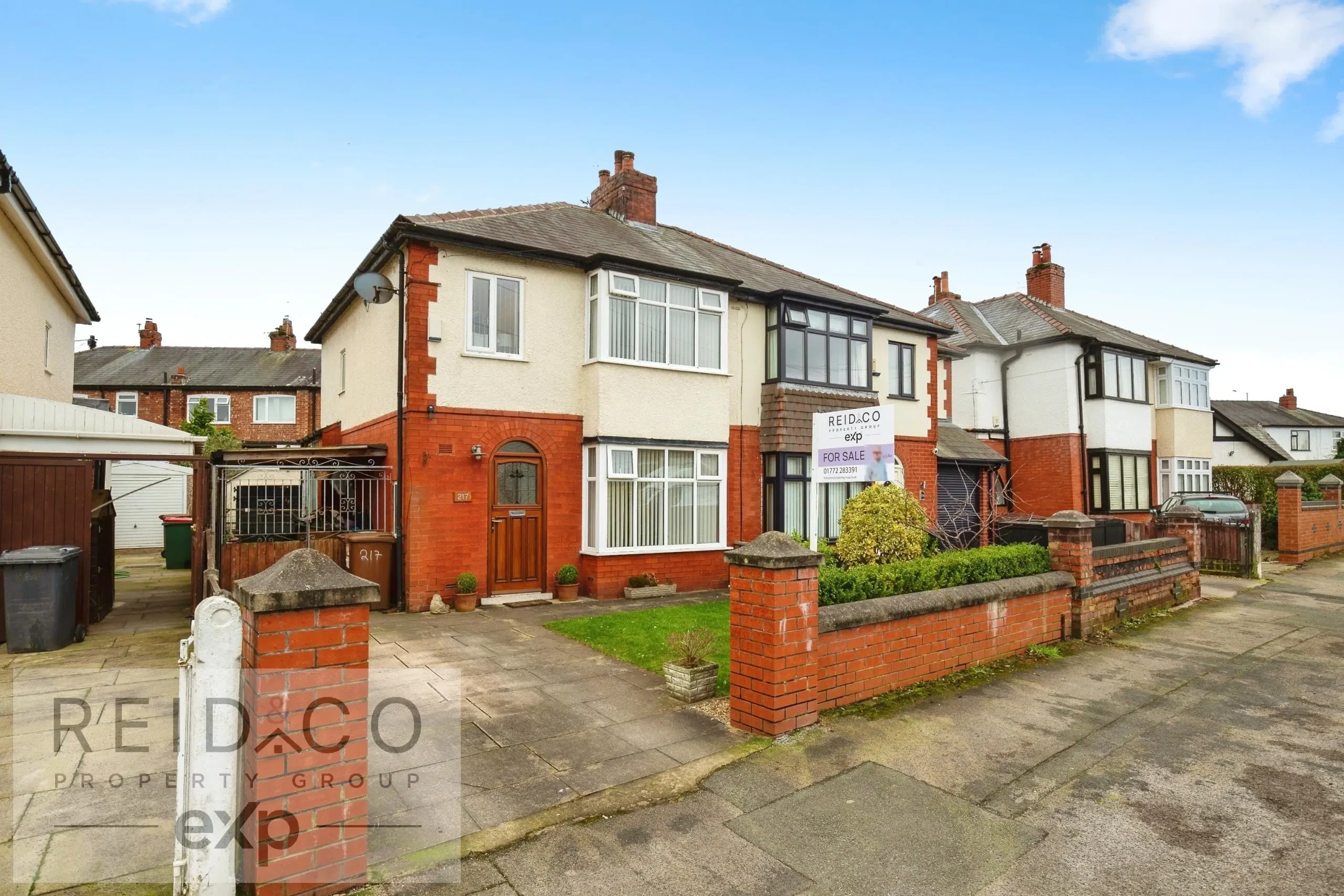
Well-maintained Preston residential property with driveway and period features

2. Property type, size and layout

Compare your home with properties that genuinely match it.

Consider:

  • House type
  • Number of bedrooms
  • Number of bathrooms
  • Internal floor area
  • Number and size of reception rooms
  • Ground-floor layout
  • Storage
  • Garden size
  • Garage or driveway
  • Plot size
  • Age and architectural style

A three-bedroom period terrace is not directly comparable with a three-bedroom modern semi-detached home. The layout, construction, parking and buyer demand may be very different.

An agent will also assess whether your accommodation works well for the likely buyer. A flexible layout, additional bathroom or useful home office can improve appeal. A small bedroom or awkward extension may limit the price.

3. Condition and required work

Condition has a direct impact on value and saleability.

Your home does not need to be perfect. Buyers understand that properties vary. However, visible maintenance issues can reduce confidence and lead buyers to negotiate.

An agent may assess:

  • Roof and guttering
  • Windows and doors
  • Damp or condensation
  • Heating system
  • Electrical condition
  • Plumbing
  • Kitchen and bathroom quality
  • Decoration
  • Flooring
  • External brickwork or render
  • Garden and boundary condition

Be honest about defects. Hiding a problem rarely helps. A buyer’s survey may identify it later, which can lead to renegotiation or delay.

Ask your valuer which improvements are worth completing before marketing. Do not assume that every renovation will add more value than it costs.

4. Recent comparable sold evidence

Sold evidence is one of the most important parts of a valuation.

An agent should look for properties that are:

  • In the same area
  • Similar in type and size
  • Comparable in condition
  • Similar in age and style
  • Recently sold
  • Similar in parking, garden and plot
  • Sold under comparable market conditions

Asking prices show what sellers hope to achieve. Sold prices provide stronger evidence of what buyers have actually paid.

You can research sold prices through the official HM Land Registry Price Paid Data and the government’s sold property price service.

Use the information carefully. Check the sale date, property type and location. Do not rely on one result. Build a group of comparable properties and discuss the differences with a local agent.

For wider professional guidance, see the RICS information on comparable evidence in real estate valuation.

Valuation or asking price: what is the difference?

A valuation is an informed estimate of what your property may achieve in the current market.

An asking price is the figure used to launch the property for sale.

These figures may be similar, but they are not always identical.

Your asking price should reflect:

  • The evidence behind the valuation
  • Current buyer demand
  • Competing properties
  • Your preferred timescale
  • Your onward purchase
  • The level of interest expected
  • The marketing strategy

Avoid choosing an asking price simply because it is the highest figure suggested by an agent. An unrealistic price can reduce early interest. The property may then sit on the market, attract fewer viewings and require a later reduction.

Ask each agent to explain:

  1. Which comparable properties support the valuation?
  2. How does your property compare with them?
  3. What price would attract serious buyers?
  4. What marketing plan would support that price?
  5. How would the agent review the price if interest is limited?

A clear explanation is more useful than a flattering number.

When should you value your Preston home?

You can arrange a valuation at any time. The best time to sell depends on your circumstances, property type and local demand.

Seasonality can influence buyer activity. Spring and early autumn often provide strong opportunities because many buyers are ready to move. Summer holidays can reduce viewing activity for some properties. Winter may bring fewer casual browsers but can still attract motivated buyers.

Do not wait for a “perfect” month. A well-presented property with an accurate price can attract attention throughout the year.

Think about timing in practical terms:

  • Allow time to declutter and complete repairs.
  • Prepare your documents before marketing.
  • Consider school and work commitments.
  • Check the availability of your preferred agent.
  • Plan your onward move.
  • Agree how you will handle viewings.

Your personal timescale should guide the decision. Ask an agent to explain current conditions before choosing a launch date.

Preston period property with attractive brickwork, parking and established planting

How to prepare before the valuer visits

Make the appointment useful. Give the valuer a complete picture of the property.

Prepare the following information:

  • Approximate date of construction
  • Property type and tenure
  • Lease length, if applicable
  • Recent improvements
  • Extension or loft conversion details
  • Planning permissions and building regulation documents
  • Boiler and window installation dates
  • Parking arrangements
  • Service charge or ground rent details
  • Any known defects
  • Council tax band
  • Energy Performance Certificate, if available

Then prepare the property itself.

Complete small maintenance jobs

Fix dripping taps, loose handles, damaged fencing and broken lights. These details can affect a buyer’s first impression.

Improve kerb appeal

Cut back overgrown planting, clean the front path and make the entrance easy to see. The exterior sets expectations for the rest of the home.

Reduce clutter

Clear worktops, overfilled shelves and crowded hallways. Show the available space without removing the personality of your home.

Improve cleanliness

Clean windows, kitchens, bathrooms and high-traffic areas. You do not need to carry out a full renovation. Present the home as cared for and ready to view.

Show useful features

Point out storage, parking, garden access, recent improvements and flexible rooms. The valuer may not know the full benefit of a feature without your explanation.

Preston residential property with traditional architecture and landscaped frontage

How to choose the right valuation appointment

Arrange valuations with local estate agents in Preston who understand the neighbourhoods and buyer groups in your area.

Look for an agent who:

  • Uses recent comparable sold evidence
  • Explains the valuation clearly
  • Separates valuation from asking price
  • Provides a practical marketing plan
  • Offers professional photography and a floorplan
  • Reaches buyers across major property portals
  • Gives regular, transparent feedback
  • Handles viewings professionally
  • Understands your priorities

At Reid & Co Property Group, our sales service covers the process from valuation and marketing through to completion. We use local knowledge, professional presentation and a client-focused approach to help homeowners make informed decisions.

You can also review current property for sale in Preston to understand how different homes are being presented and positioned. For local context, visit our Preston area guide.

Ready to find out how much your house is worth?

Start with a realistic valuation. Gather your documents, prepare your home and ask for evidence behind the suggested figure.

If you want to sell your house in Preston, arrange a free, no-obligation valuation with Reid & Co Property Group. We will assess your property, discuss your aims and explain the next steps clearly.

Request your property valuation and take the first step with confidence.